14 benefits of female masturbation: what do we know?
Masturbation can be a way to get to know your body, experience pleasure and relax. The effects vary from person to person, and there is no set frequency to follow.
Talking about it without shame
Some people masturbate often, others rarely, and some never do. All these choices can be normal. In a relationship, having private time for pleasure need not imply that anything is missing.
These 14 points cover common ideas about masturbation and distinguish personal experiences from claims that need stronger evidence.
1. A break from stress
Paying attention to sensations can help you take a brief break from the day’s worries.
A pause can feel good even if you have little time or have had a demanding day.
Relaxation can happen without orgasm. You can stop whenever you want.
2. Pleasure and mood
Some people describe a sense of relief or a lift in mood afterwards.
Bodily responses and the situation can both shape how you feel.
Attributing the effect to one substance, such as endorphins, oversimplifies a complex experience.
3. Unwinding before sleep
Some people feel sleepy as well as relaxed after orgasm.
A survey and diary study found perceived sleep benefits, but in the diary data masturbation was not associated with a significant improvement. Seek healthcare advice for persistent insomnia.
4. Getting to know your body
Masturbation can help you notice which sensations feel pleasant, neutral or unwelcome.
That awareness may make it easier to talk about sexuality and say when you would like to change pace or stop.
5. Understanding how desire changes
Curiosity about your own sensations can make room for desire when it is there.
Desire can vary with circumstances, fatigue, relationships and health.
If a change concerns you or causes distress, you can discuss it with a healthcare professional.
6. Communicating with a partner
Knowing what you like can help you find the words to describe it.
Talking about what feels good, what feels uncomfortable and where your boundaries lie can make intimacy easier.
7. Heart rate and breathing during arousal
During arousal, your heart rate and breathing may briefly speed up.
Feeling your heart beat faster is a short-term response.
This change does not establish a cardiovascular benefit comparable to regular exercise.
8. Noticing the pelvic floor
The pelvic floor is a group of muscles at the base of the pelvis. You may notice involuntary contractions during orgasm.
Noticing a contraction or tension is different from following a targeted exercise programme.
If you experience pain or have trouble relaxing the area, a pelvic health professional can advise you.
9. Noticing muscle tension
Your glutes, thighs and abdomen can tense during arousal or in certain positions.
You can notice that tension and choose a more comfortable position.
A brief contraction is not the same as strength training.
10. Exploring comfort during menopause
Desire, sensitivity and comfort can change during perimenopause and menopause.
Masturbation can give you space to notice changes in your preferences.
If dryness occurs, a suitable lubricant may reduce friction. Stop if you experience pain.
Seek healthcare advice for persistent dryness, burning or pain.
Masturbation is not a treatment for menopausal symptoms.
Read more about desire and comfort in our guide to sex during menopause.
11. Possible relief from period cramps
Some people report temporary relief, while others prefer to rest during their period.
Individual experiences vary, and evidence for its use as a treatment is limited.
Period pain can occur as the uterus contracts.
If cramps are severe, different from usual or interfere with daily life, seek healthcare advice.
12. Discovering different orgasm responses
Some people can have more than one orgasm, while others prefer to stop or need a break.
Sensitivity after orgasm varies between people and from one occasion to the next.
If a sensation becomes too intense, you can change what you are doing or stop.
The number of orgasms does not determine how worthwhile the experience is.
13. Experiencing sexuality at different ages
Sexuality can remain part of life as you get older.
Some of the research cited on this topic concerns associations between sexual activity and cognitive performance in adulthood.
An association does not establish that masturbation caused those differences.
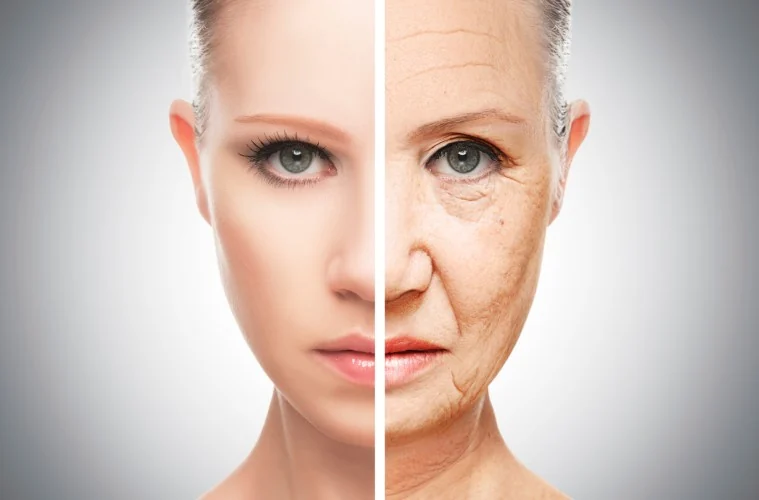
Masturbation has no proven anti-ageing effect on skin or memory.
The experience can be valuable for pleasure, curiosity or feeling more comfortable in your body.
14. What do we know about immunity?
A small study observed temporary changes in some immune cells after orgasm in 11 men.
The study did not assess whether those changes made people less likely to get ill.
The sample does not allow researchers to generalise the result to female masturbation.
The available evidence does not justify treating masturbation as a way to strengthen the immune system.
Choose at your own pace
Keep what feels right for you and put expectations aside. If you have persistent pain or distress that affects your intimate life, a healthcare professional can help you decide where to start.
Sources
Female masturbation, pleasure, desire and body awareness: 14 points to help distinguish possible benefits from common myths.