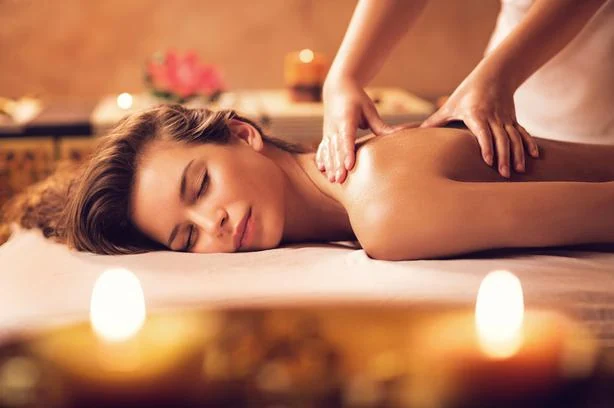
The difference between erotic massage and tantric massage
The difference between erotic massage and tantric massage lies mainly in the intention and the way touch is offered. The former places the emphasis on pleasure and arousal; the approach described by Tantra del Sole focuses on breathing, body awareness and a mindful experience. To understand a particular service, however, you need to read what it includes and agree on your boundaries.
Soft lighting, a private setting and sensual touch can appear in different kinds of service. These features alone do not explain the purpose of a session or justify assumptions about what will happen. Even an evocative word such as “ritual” needs to be supported by a clear description.
The question asked by someone approaching a Tantra massage studio in Milan is understandable: what distinguishes erotic massage from tantric massage? Answering means separating the name used, the stated purpose and the boundaries of the relationship with the practitioner. These are useful starting points before booking.
In Italian, “tantrico” is an adjective derived from Tantra, as the Treccani dictionary explains. Simply contrasting “Tantra massage” with “tantric massage” therefore does not define two different treatments. Here, the comparison is between a service focused on erotic pleasure and a contemporary approach inspired by Tantra.
Similarities: why the two can be confused
- Both may use language about sensuality and the pleasure of touch.
- Both may emphasise atmosphere, calm and attention to the body.
- Both may prompt curiosity about intimacy and personal sensations.
- Descriptions may mention Yoni or Lingam: understanding them requires asking which forms of touch are actually included.
These similarities do not make the services equivalent. The name of a practice, payment for a session or a previous treatment does not replace present consent. A pleasurable sensation can be welcomed without turning it into a result that must be achieved.
Erotic massage: pleasure at the centre of the service
Here, “erotic massage” refers to a service that places arousal and sexual pleasure at its centre. Some descriptions use the expression “happy ending” and associate it with reaching orgasm. What these words mean needs to be clarified with the provider: they do not automatically describe every sensual massage.
Exploring sensuality may bring curiosity, freedom or hesitation. Taboos, fear of judgement and personal expectations can influence how people talk about it. There is no necessary path for everyone, however, and an intimate choice does not in itself demonstrate dissatisfaction, repression or relationship problems.
It helps to be able to ask questions without shame and receive understandable answers. Respectful language allows people to name wishes and limits without labelling anyone or treating every preference as a problem to correct. This also applies when deciding that a service is not right for you.
Pleasure is not a test to pass. Neither the kind of massage nor the provider’s experience can guarantee an identical response for everyone. A promise of orgasm or immediate transformation should therefore prompt questions rather than create an obligation to feel a particular way.
This description distinguishes intentions without judging anyone seeking information. The terms of a service need to be explicit; they cannot be inferred simply from sensual imagery or the use of the word “Tantra”.
Tantric massage: presence, ritual and awareness
Tantra encompasses diverse religious and spiritual traditions: Treccani’s entry on Tantrism describes their variety and symbolic language. Contemporary massage inspired by Tantra should be described in terms of what it actually offers, without presenting it as the entirety of those traditions.
In Tantra del Sole’s approach, a ritual provides a framework for slowing down, noticing breathing and recognising sensations. Touch is approached with attention to the whole person; any pleasure is part of an individual experience rather than a promised performance.
Words such as “sexual energy”, “chakras” and “Sushumna” belong to the spiritual understanding of the body discussed here. They may express a search for connection and presence. In this account, they do not describe established anatomical mechanisms or a procedure for purifying the nervous system.
Orgasm is not a necessary goal of the experience. Even when sensations are intense, it matters that you can experience them at your own pace, without having to demonstrate anything. Any spiritual meaning is personal and cannot be imposed by the practitioner.
Intimate touch is not essential to an experience of body awareness. Any form of touch included in a treatment needs to be explained and agreed upon; you can exclude it, change a boundary or end the session. Calling a massage “complete” does not permit anyone to go beyond what the recipient wants.
Breathing can be a focus of attention during a session: noticing its rhythm and pauses offers a way to describe what you are experiencing. There is no need to force it, hold your breath or meet a breathing target. You can ask to slow down and return to a comfortable rhythm.
Awareness also concerns the practitioner: attending to words, requests and signs of discomfort is part of the relationship. Silence or relaxation should not be interpreted as implicit permission to change the agreed touch.
At Tantra del Sole, the practitioner remains clothed, the treatment takes place on a massage table, and there are no sexual acts or reciprocal contact with the practitioner. These rules still apply when spiritual language or sensuality is discussed. The studio’s code of ethics explains the boundaries.
Technique matters, alongside the quality of attention and communication. In the approach expressed here, “putting your heart into it” means offering attentive, respectful touch. It does not mean creating a romantic relationship, confusing roles or asking someone to accept something they do not want.
How to compare two actual services
Before deciding, ask about the purpose, forms of touch, duration, price and conditions of the session. Check who provides it and whether you can discuss boundaries without pressure. Tantra treatments at Tantra del Sole are for people aged 21 and over. A wellbeing experience does not replace healthcare assessment when there is a health concern.
You do not need to establish that one kind of experience is superior to another: you need to understand what you are choosing. You can read more about the meaning of Tantra Yoni massage or ask the studio to explain the option closest to your needs, taking the time you need to decide.
The difference between erotic and tantric massage: intention, pleasure, ritual, consent and boundaries. How to assess a service in Milan.